Meet our team

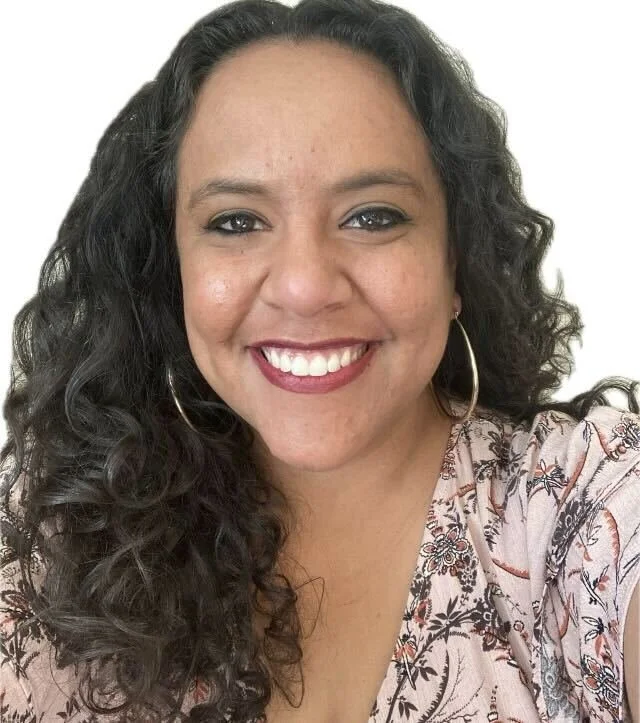
Lab Director (she/her)
Dr. D is Director of the Indigenous Land & Data Stewards Lab, Assistant Professor of Indigenous Natural Resource Stewardship at Colorado State University’s Forest and Rangeland Stewardship Department, and partner with the Collaboratory for Indigenous Data Governance, IndigeLab Network, and the Indigenous Data Alliance.
Dr. D draws from her experiences as a multicultural Caribbean Indigenous (Arawak Taíno) community member, research scientist, educator, and learner in her scholarship and practice. Her work supports Indigenous land-based learning and research, while also contributing to community-driven climate resilience research, and Indigenous research and data governance initiatives. This includes an intergenerational commitment towards supporting culturally-grounded community members, including youth, Elders, and knowledge practitioners as researchers and data stewards, restoring pathways for knowledge (re)generation with the original stewards of Indigenous knowledges, and the lands and waters in which they are embedded. She holds a PhD in Human Dimensions of Natural Resources and B.S. in Earth Sciences with a minor in Native American Studies.

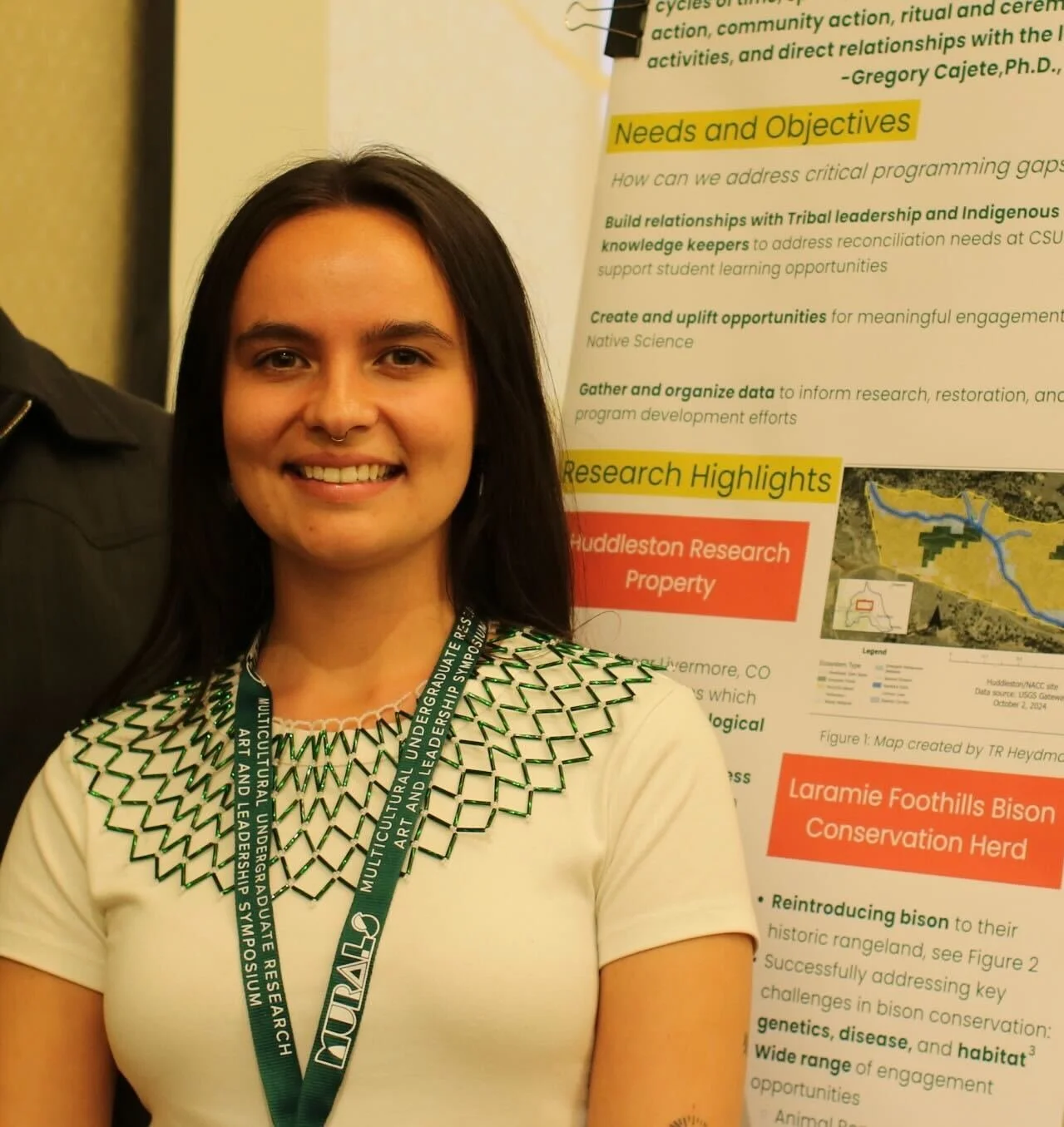
Graduate Researcher (she/her)
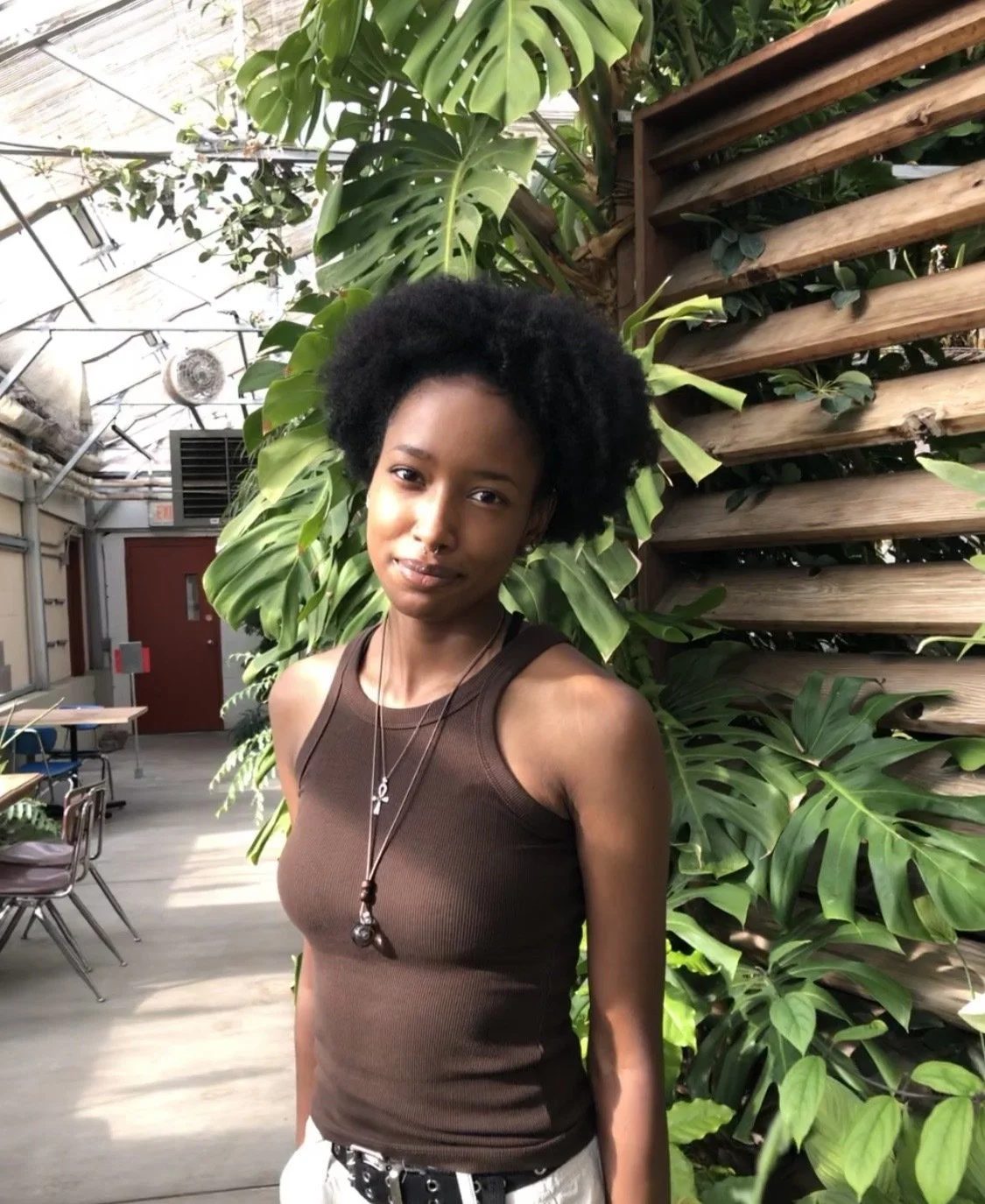
Serena (Diné) is a graduate student in the Rangeland Ecosystem Science program. She holds a B.S. in Human Dimensions of Natural Resources and has been with the lab since the fall of 2019 as an undergraduate student. As a graduate researcher, she is working on multiple projects, including Supporting Indigenous scholars as data stewards and leaders in STEM project and her thesis project: Shifting from Extractive to Self-determined: Enhancing Indigenous Research and Data Governance in Southwest Climate Adaptation Initiatives.

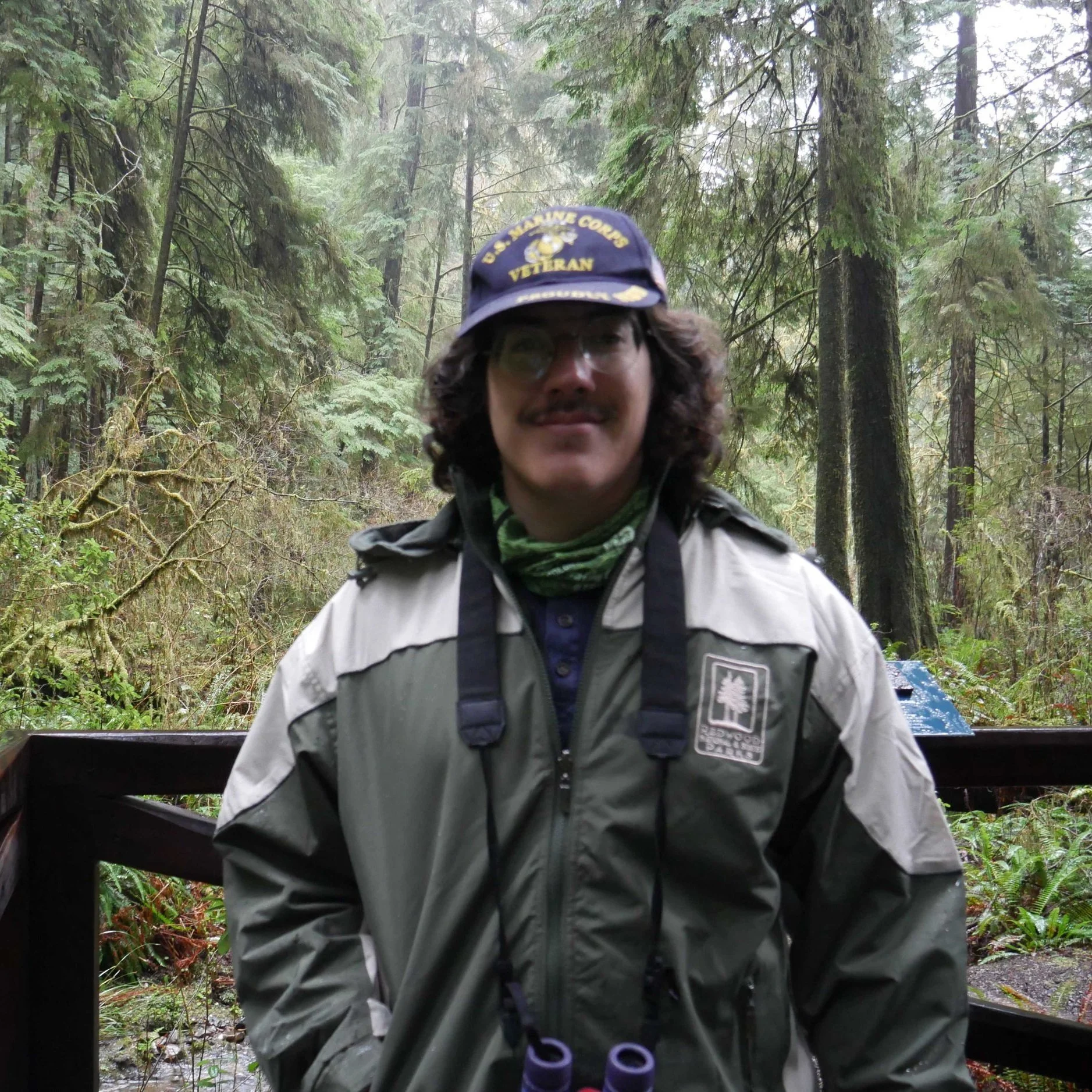
Graduate Researcher (he/him)
T.R. is a graduate student studying Forestry Science and holds an undergraduate degree in Natural Resource Management with a minor in Watershed Science from CSU. T.R. joined the lab in the fall of 2022. A native Oklahoman and proud citizen of the Cherokee Nation, T.R. continues to learn the Cherokee language and enjoys spending time outdoors, woodworking, and foraging edible plants. T.R. is a NSF Graduate Research Fellow and is currently working on a project supported by the Transformation Network (NSF-funded) to identify the impacts of laws and policies created under settler-colonialism and the contemporary implications for Indigenous water rights and management. TR has formed an Indigenous advisory council to help guide his project and to gain a more in depth understanding of Indigenous worldview and value systems in terms of water and natural resources.

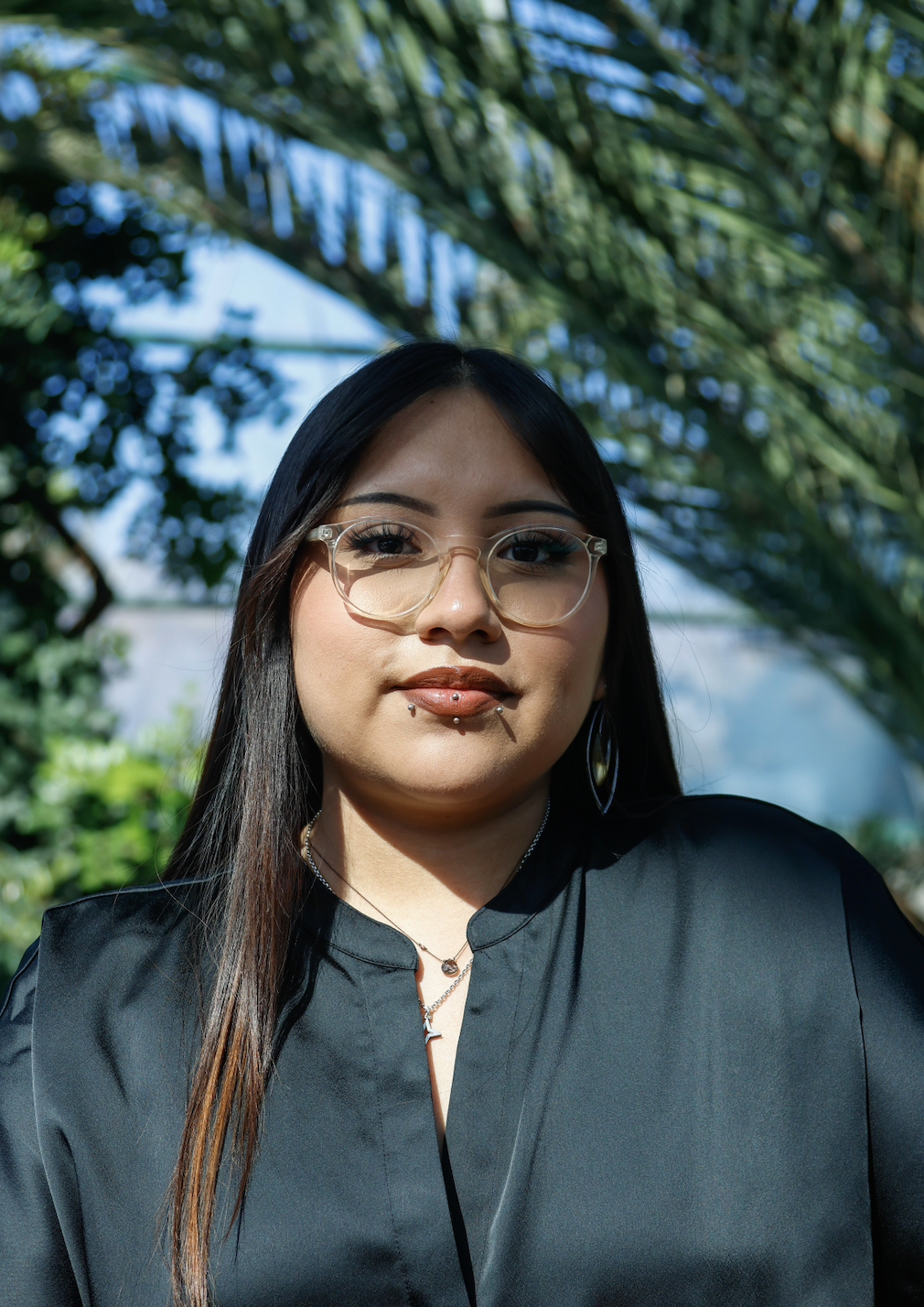
Graduate Researcher (she/her)
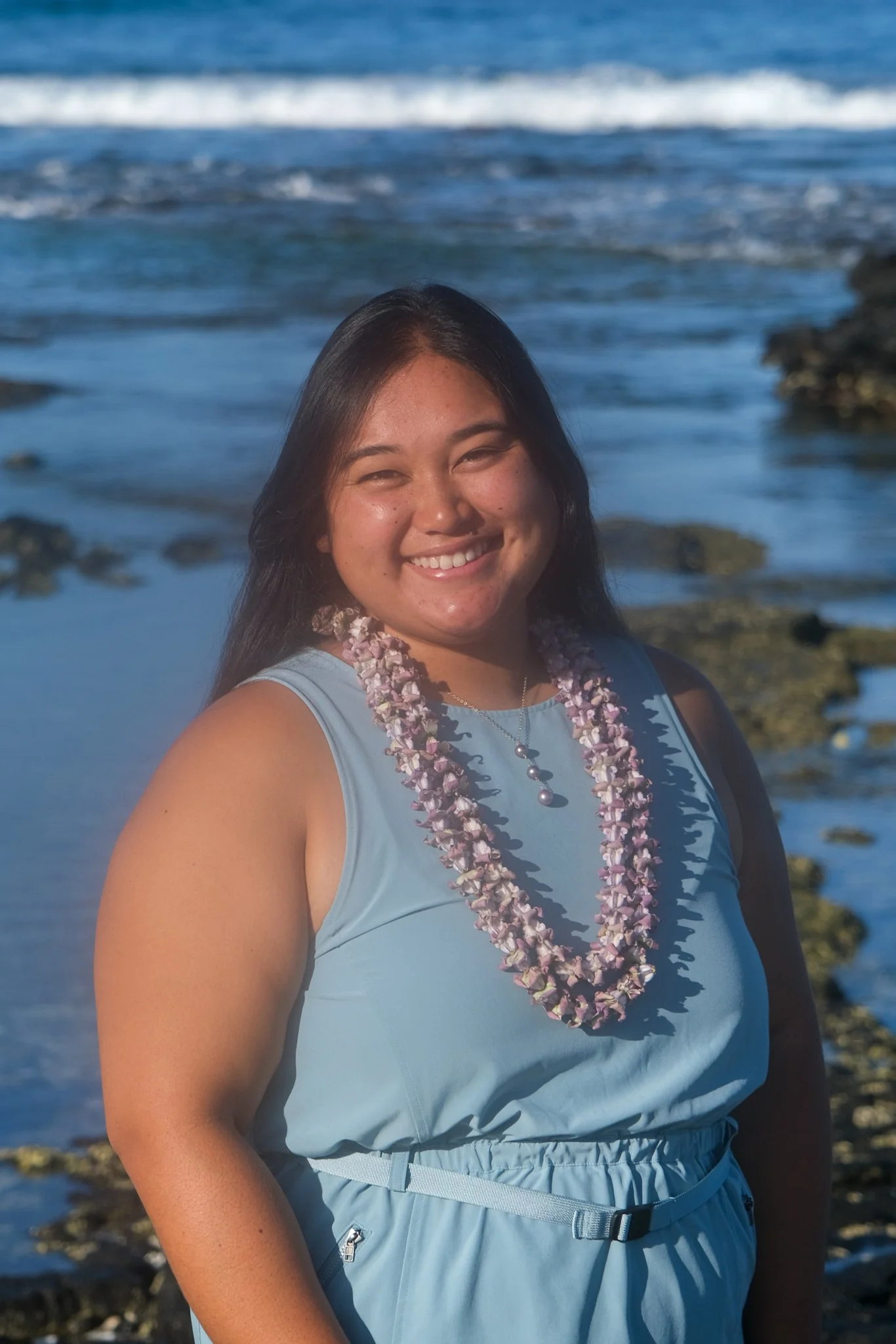
Griselda earned her B.S. degree in Wildlife & Conservation Biology along with a minor in Ethnic Studies. She has worked for the National Park Service in Alaska and Florida. Additionally, she has worked for the U.S. Fish & Wildlife Service in Oregon and for Environment for the Americas, a non-profit based in Boulder, CO. Most recently she served as a Water & Land Steward with Colorado Open Lands.
Her interests as a scholar include Ecological Restoration and Indigenous Ecological Knowledge which aligns well with the Indigenous Land & Data Stewards Lab. Griselda's parents are from the southernmost migration route of the Monarch butterflies in rural Michoacán, Mexico, where she spent a lot of her time as a child. Her family is partially descendent from the Purépecha people which is where her passion for working with Indigenous communities stems from and another reason she felt her background aligned well with the Indigenous Land & Data Stewards Lab.

Postdoc Collaborator (they/she)
Tamara Layden (a.k.a. Dr. T) is an ecologist, data scientist, and graphic artist, with a strong foundation in transdisciplinary environmental research, racial equity, and Indigenous rights and stewardship. Tamara’s work focuses on bringing ideas and initiatives to life through meaningful collaboration, systems-thinking, and visual storytelling, grounded in land and data justice.
As a woman of diaspora from a lineage of land and water stewards in Puducherry, India, Tamara’s longstanding efforts and lived experiences are rooted in the collective hopes, visions, and strategies for environmental and cultural resilience. For over a decade, Tamara has cultivated an expansive understanding of landscapes and embedded relationships. Since earning their BS in Zoology from Oregon State University, Tamara has deepened their ecological understanding through driving over 50 collaborative initiatives in environmental equity, ecosystem restoration, freshwater ecology, and wildlife monitoring. Alongside these efforts, Tamara has motivated partnerships across over a dozen Indigenous and community-led organizations, working to bring anti-oppressive, community-responsive action to the forefront of environmental initiatives. Tamara’s drive to anchor environmental action in community accountability recently culminated into earning their PhD in Ecology from Colorado State University, where they outlined pathways towards honoring Indigenous rights and relational responsibilities in conservation science.
Emerging from this foundation, Tamara is currently working to advance ecological equity, rights-based collaborations, and Indigenous governance in environmental research and practice with the Indigenous Land & Data Stewards Lab, the Indigenous Data Alliance, the Collaboratory for Indigenous Data Governance, and Mending Mountains Collective and is excited to continue to grow and deepen justice-oriented collaborations for our environments, communities, and cultures.
Researcher & Collaborator (she/her)
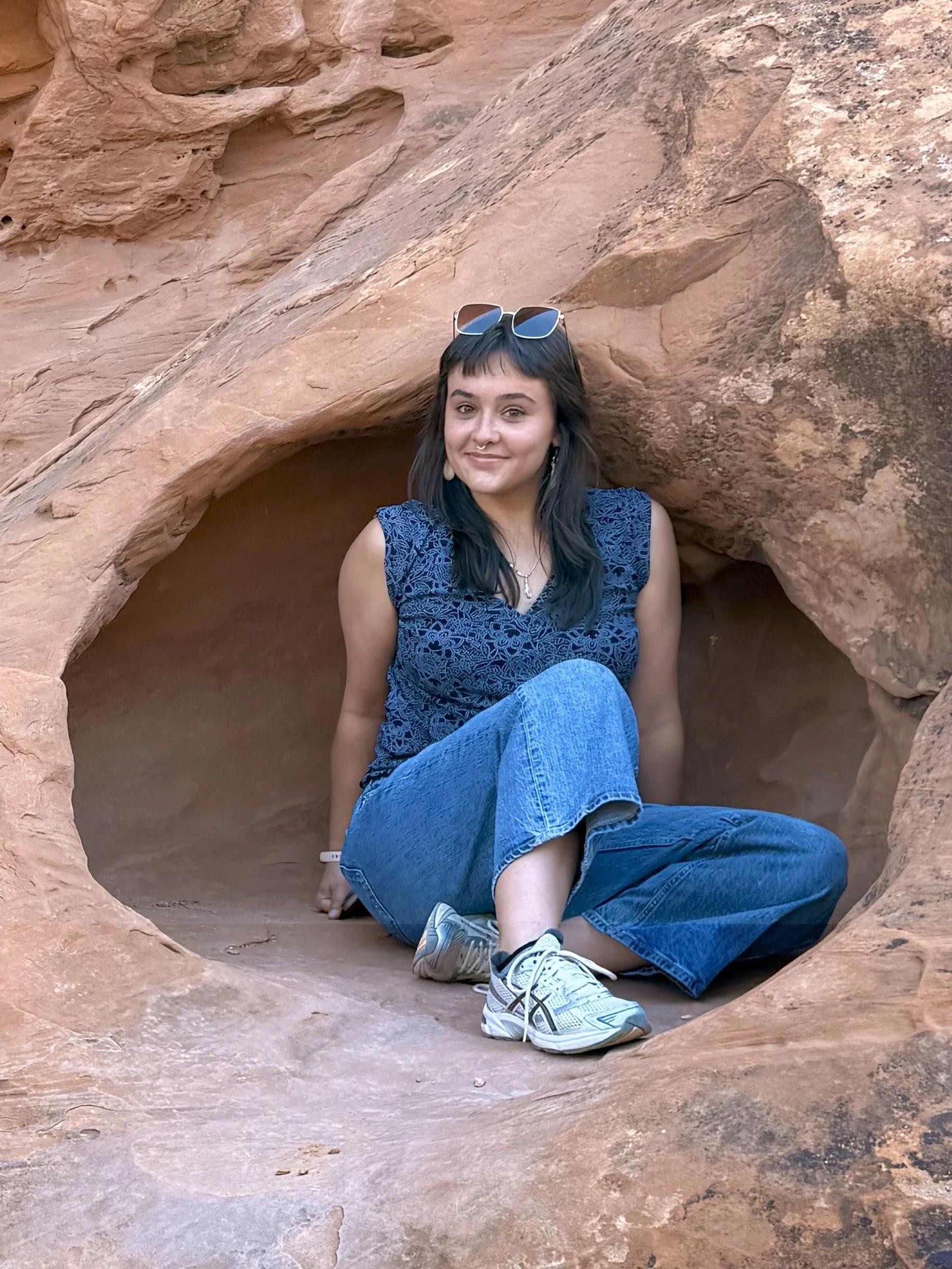
Brianna graduated with a B.S. in Fish, Wildlife, & Conservation Biology with a concentration in Conservation Biology from CSU. She grew up in Yellowstone County, Montana and is a proud descendant of the Turtle Mountain Band of Chippewa. Brianna joined the lab in the spring of 2023. Currently, her research interests are ethnobotany, wildlife monitoring, and landscape conservation. Her goal is to practice ecological science in a way that helps displaced Indigenous peoples reconnect with their ancestral homelands in Northern Colorado.
Additionally, she serves as the current Undergraduate Research Coordinator at the CSU Native American Cultural Center and as the Native Community Gardener at the Gardens on Spring Creek. She is very grateful to have been given so many opportunities to support her community and intends to continue her work in graduate school.

Undergraduate Researcher (he/him)
Jesus is the descendent of the Nàayarite (Cora) people and is Mexican-American. Growing up in western Colorado, surrounded by the enchanting beauty of the land, rivers, and animals, instilled a deep connection to the natural world. Jesus’ work focuses on language and accessibility surrounding plants, soil, and the natural world, providing a grounding base for continuous work.

Graduate Collaborator (she/her)
Arielle is a proud tribal member of Cochiti Pueblo in New Mexico. She is a Native PhD student in the Human Dimensions of Natural Resources program at Colorado State University. Her interests are reclamation and rematriation of Indigenous and Pueblo land stewardship and food sovereignty, with particular emphasis on gender roles and practices. As a Pueblo woman from a long line of matriarchs and land stewards, her work is focused on supporting tribes in the stewardship of ancestral lands to strengthen tribal sovereignty. She has over 10 years of experience in tribal natural resources management and food systems, in addition to a B.S. in Rangeland Ecology/Restoration Ecology from CSU. Within the Indigenous Land & Data Stewards Lab, Arielle centers Indigenous and Pueblo epistemologies, pedagogies, and worldviews to assist in the development and implementation of natural resources curriculum/courses.

Graduate Collaborator (she/her)
Gemara Gifford (pronounced JEM-uh-ruh) is a community-based conservation practitioner, facilitator, and researcher with over a decade of experience working in wildlife and natural resource protection. As a connector and bridge-builder, she has forged partnerships among dozens of Indigenous and Native-led organizations and coalitions to support grassroots efforts in climate justice, rematriation, and fish and wildlife conservation.
A lover of all animals, Gemara followed the migratory birds south, and completed her Master’s Degree in 2016 at Cornell University, in partnership with a Q’eqchi’ Mayan conservation NGO with a focus on Traditional Knowledge of migratory bird conservation in the Guatemalan Highlands. The Sandhill cranes and buffalo have rooted Gemara back home in Colorado, where her doctoral research in the Human Dimensions of Natural Resources department focuses on promising pathways for improved State-Tribal collaborations in natural resources, and Indigenous-led land stewardship efforts on public lands, including land returns, co-management, and wildlife reintroductions. Gemara’s work also looks at rematriation as an Indigenous women-led movement, where she traces her own family’s connections to the Southern Rocky Mountain region since time immemorial. She examines how Indigenous women heal from the lasting spiritual and material effects of settler-colonial violence, eugenics, and manifest destiny, particularly in Southern Colorado, where her family is from.
In addition to her wildlife/ecology background, Gemara’s scholarship draws from Indigenous research methodologies, decolonial feminisms, and women of color activism in the United States. Gem has been recognized as a National Science Foundation GRFP Fellow (2020-present), Boyer Scholar in Women’s Studies (2022), Gates Millennium Scholar (2008-2016), Affiliate Faculty Member at Colorado State University (2018-2020), and Co-Chair of the Next 100 Colorado (2023-present). Gem was raised in North Denver where her mother instilled in her a deep love for and responsibility to animals and the environment. Gem is also a musician, creative writer, and ceramic artist and lives in Fort Collins with her husband and many critters.
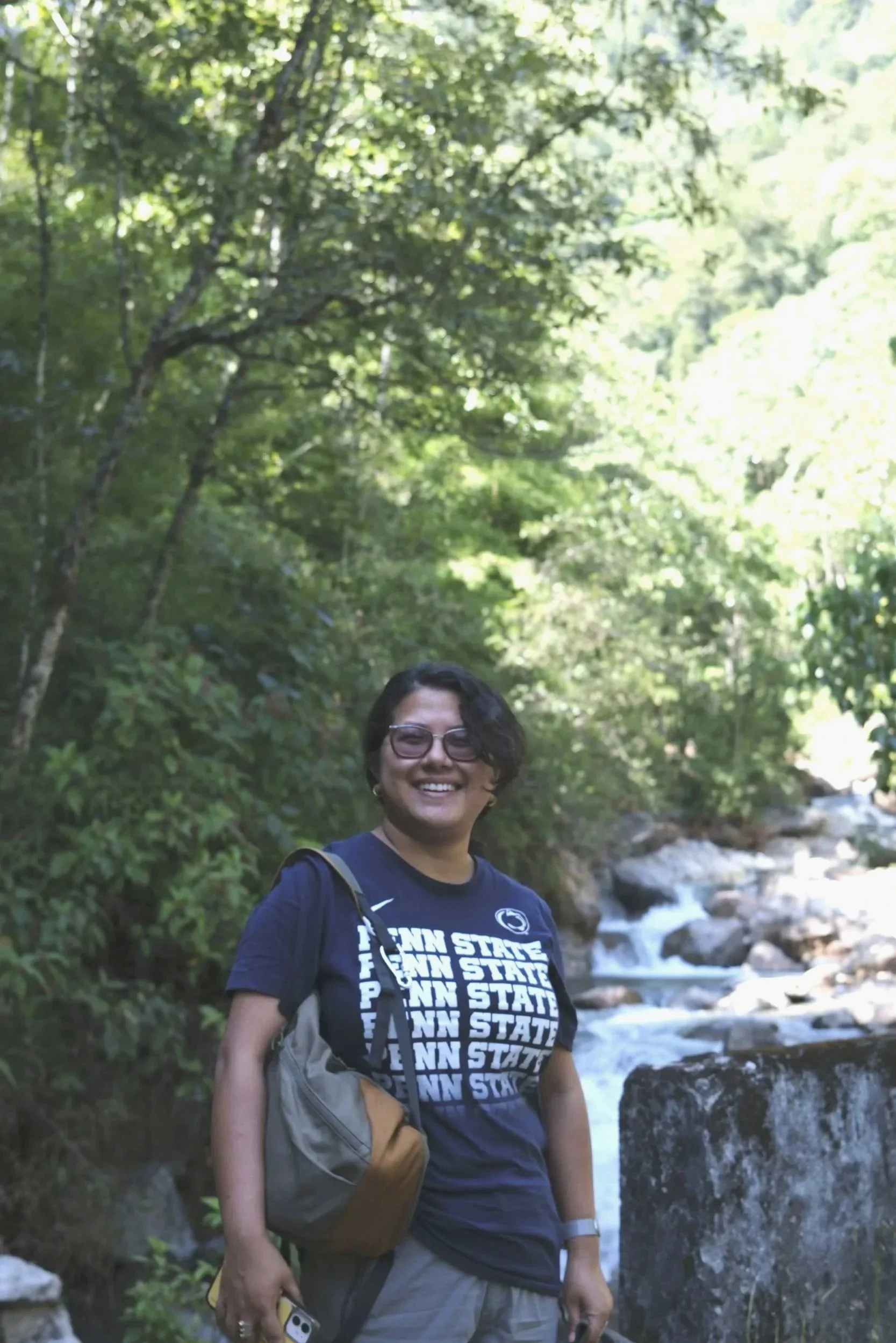
Graduate Collaborator (she/her)
Abriti Moktan is a PhD candidate in the Department of Ecosystem Science and Management at Pennsylvania State University. She is part of the Water-Energy-Food (WEF) nexus, and the Mountain Sentinels cohort, and the Environmental Policy Goddard Chair Group. Her research interests lie within Environment and Development, Water Security, Biocultural Conservation, and Traditional Ecological Knowledges. She is a native of Darjeeling, India, and belongs to the Tamang Indigenous community from the Himalayan region.
For her doctoral thesis, she is studying the resource use and management of community conserved sacred groves (forests), their relationship to water security, and the adaptive capacities of local communities within the complex social-ecological systems of the Eastern Himalaya. Prior to this, she worked in Ashoka Trust for Research in Ecology and the Environment (ATREE), Sikkim, India as a research associate for more than four years on multiple projects focusing on High Conservation Value Areas (HCVAs), Rural Evidence and Learning (REAL) global water security, and Pumped storage hydropower in the Himalayas to accelerate the transition to zero/low carbon electricity grids. She completed her master’s degree in Environment and Development from the School of Human Ecology at Dr. B.R. Ambedkar University, Delhi, India.
She is a qualitative researcher who firmly believes in the ethos of interdisciplinary and transdisciplinary science and is driven to contribute to this realm. She is passionate about research in the mountain ecosystems and the local communities inhabiting the region.
LinkedIn
Elder advisors

Elder advisor (he/him)
Dr. Gregory Cajete is a Native American educator whose work is dedicated to honoring the foundations of Indigenous knowledge in education. Dr. Cajete is a Tewa Indian from Santa Clara Pueblo, New Mexico. Dr. Cajete is a practicing ceramic, pastel and metal artist. He is extensively involved with art and its application to education. He is also a scholar of herbalism and holistic health. Dr. Cajete also designs culturally-responsive curricula geared to the special needs and learning styles of Native American students.
He worked at the Institute of American Indian Arts in Santa Fe, New Mexico for 21 years. While at the Institute, he served as Dean of the Center for Research and Cultural Exchange, Chair of Native American Studies and Professor of Ethno- Science. He is the former Director of Native American Studies (18 years) and is Professor Emeritus in the Division of Language, Literacy and Socio Cultural Studies in the College of Education at the University of New Mexico. In addition, he has lectured at colleges and universities in the U.S., Canada, Mexico, New Zealand, Italy, Japan, Russia, Taiwan, Ecuador, Peru, Bolivia, England, France and Germany.
Dr. Cajete has authored 10 books: “Look to the Mountain: An Ecology of Indigenous Education,” (Kivaki Press, 1994); “Ignite the Sparkle: An Indigenous Science Education Curriculum Model”, (Kivaki Press, 1999); “Spirit of the Game: Indigenous Wellsprings (2004),” “A People’s Ecology: Explorations in Sustainable Living,” and “Native Science: Natural Laws of Interdependence” (Clear Light Publishers, 1999 and 2000). “Critical Neurophilosophy and Indigenous Wisdom,” Don Jacobs (Four Arrows), Gregory Cajete and Jongmin Lee) Sense Publishers, 2010. “Indigenous Community: Teachings of the Seventh Fire,” (Living Justice Press, 2015). His most recent books are edited volumes entitled: “Native Minds Rising” and “Sacred Journeys” (John Charlton Publications, 2020). Dr. Cajete also has chapters in 36 other books along with numerous articles and over 350 national and international presentations.
Lab alumni